
Estate Planning Blog
[The practical stuff about estate planning nobody taught you at school]

What Does an Enduring Power of Attorney Do?
What does an Enduring Power of Attorney do? An EPA lets you choose who can make financial, personal, and healthcare decisions for you if you can’t make them yourself. Learn when an EPA takes effect, what your attorney can and can’t do, and why it is an important part of planning for your future.

Digital Estate Planning: What Happens to Your Digital Life When You Die?
Your digital life doesn’t disappear when you die. From family photos and emails to social media accounts, cryptocurrency and online businesses, your digital assets can create real issues for your family and executor. Here’s what you need to know about digital estate planning in Australia.

Can Stepchildren Inherit?
Can stepchildren inherit from a stepparent? Learn what happens to stepchildren when there is a Will, what happens if you die without one, and when a stepchild may be able to make a claim against your estate.

Can Adult Children Contest a Will?
Can an adult child contest your Will? In Queensland, adult children may be able to make a family provision claim if they believe they haven't been adequately provided for. Find out what the law considers, whether you can leave an adult child out of your Will, and what you can do to reduce the risk of a family dispute.

Who Should Be Your Executor
Choosing your executor is an important part of your estate plan. Find out who can be your executor, what they’ll be responsible for, and what to consider before choosing the person who will administer your estate.

Should Your Superannuation Be Paid Into Your Estate?
Your superannuation may be one of your biggest assets, but your Will does not automatically control what happens to it when you die. Find out when your super should be paid into your estate, how Binding Death Benefit Nominations work, and how your superannuation can fit into a complete estate plan.

What Happens if You Die Without a Will in Queensland? Understanding Intestacy Rules
What happens if you die without a Will in Queensland? If you die intestate, Queensland law decides who inherits your estate, who can administer it, and how your assets are distributed. Learn how the intestacy rules work, who can apply for Letters of Administration, what happens to your children and superannuation, and why having a valid Will can save your family time, stress and uncertainty.

Testamentary Discretionary Trusts Explained: How They Work, Benefits, Risks, and When They May Be Right for Your Estate Plan
A Testamentary Discretionary Trust (TDT) can provide families with greater flexibility, protection and control over how an inheritance is managed after death. Learn how TDTs work, the benefits they can provide for children, blended families and business owners, potential tax considerations, and when this estate planning strategy may be appropriate for your circumstances.

What Happens to Your Kids If You Die Without an Estate Plan?
As a parent, estate planning is about more than deciding who gets your assets when you die. It’s about protecting your children if you die or lose capacity, including who cares for them, how their inheritance is managed, and who can make decisions for you. This blog explains the risks of leaving your children’s future to default legal processes, and the steps you can take to put a proper plan in place.

Caring for More Than One Generation: Estate Planning When You're Supporting Kids and Parents
If you’re raising children while also supporting ageing parents, your estate plan needs to account for the people who rely on you. Learn how to plan for incapacity, guardianship, inheritances, caregiving arrangements, and shared family assets, so your estate plan supports your whole family.

Estrangement and Estate Planning
Estrangement can make estate planning more complicated, particularly when you want to exclude a family member from your Will. Learn how Queensland estate planning can address family provision claims, decision-making, inheritances, executor appointments, and the practical steps you can take to protect your wishes.

Estate Planning for Mums
If you’re a mum with children under 18, estate planning can help protect your children and give you a say in what happens if you die or lose capacity. Learn what to consider, from choosing guardians and managing inheritances to planning for superannuation, life insurance, and your children’s future.

Chosen Families and Legal Realities
Your chosen family may be the people you trust most, but they may not have the legal rights you expect if you lose capacity or die. Learn how estate planning can protect partners, friends, carers, and other loved ones through Wills, Powers of Attorney, Advance Health Directives, and clear instructions for your care.
What Will They Find in Your Top Drawer?
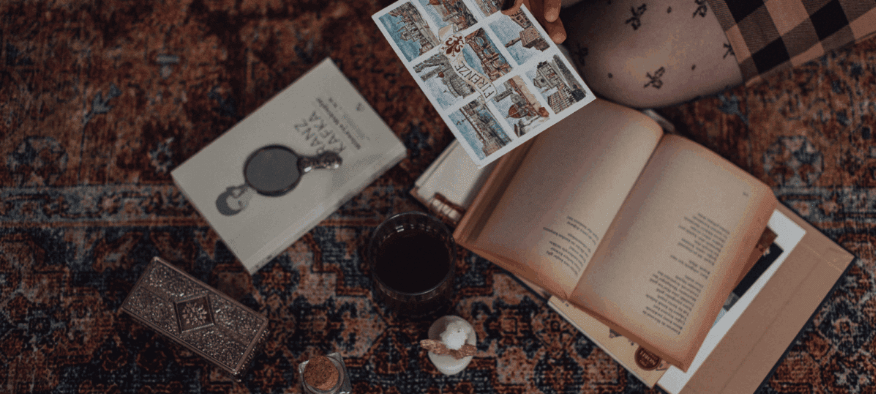
What happens to the private, personal things you leave behind when you die? From journals and love letters to private messages and intimate belongings, some parts of our lives need a little more thought than simply leaving them for your executor to find. This blog explores how to plan for your personal and digital belongings, record your wishes, and give someone you trust clear directions about what should happen to them.

Estate Planning for the Neurodivergent Brain
Estate planning can feel overwhelming when you’re dealing with ADHD, autism, or other forms of neurodivergence. This blog explores some of the common challenges, including executive function, decision fatigue, and information overload, and how an estate planning process can be adapted to make things more manageable, clear, and accessible.

How to Talk to Your Partner About Estate Planning (Without It Being Awkward)
Talking about estate planning with your partner doesn't have to be awkward. This blog covers how to start the conversation, the key decisions to discuss, and when to get professional advice about Wills, guardianship, superannuation, Powers of Attorney, and your family's future.

No Kids, No Problem: Leaving a Legacy When You’re Child-Free
You don't need to have children to have a meaningful estate plan. If you're child-free, your Will and broader estate plan can help you decide who inherits your assets, support the people and causes that matter to you, protect your pets, and make sure the right people can make decisions for you if you lose capacity.

Separation, Divorce, and Your Estate Plan: What You Need to Update Right Away
Separation or divorce should trigger an immediate review of your estate plan. This blog covers the key areas to consider, including your Will, Enduring Power of Attorney, superannuation, life insurance, children's guardianship, trusts, and business interests.

Estate Planning for Young Families: Protecting Your kids and Their Future
If you have young children, your estate plan can help you make important decisions about who will care for them, how their inheritance will be managed, and who can make decisions for you if you lose capacity. This blog covers the key parts of an estate plan for young families, including Wills, guardianship, trusts, superannuation, life insurance, and Powers of Attorney.

Navigating Estate Planning for Small Business Owners
For small business owners, estate planning needs to consider what happens to your business if you die or lose capacity. Learn about succession planning, business structures, Powers of Attorney, insurance, and the steps you can take to protect your business and the people who depend on it.